Why You Feel Constantly Tired Even After Sleeping Well
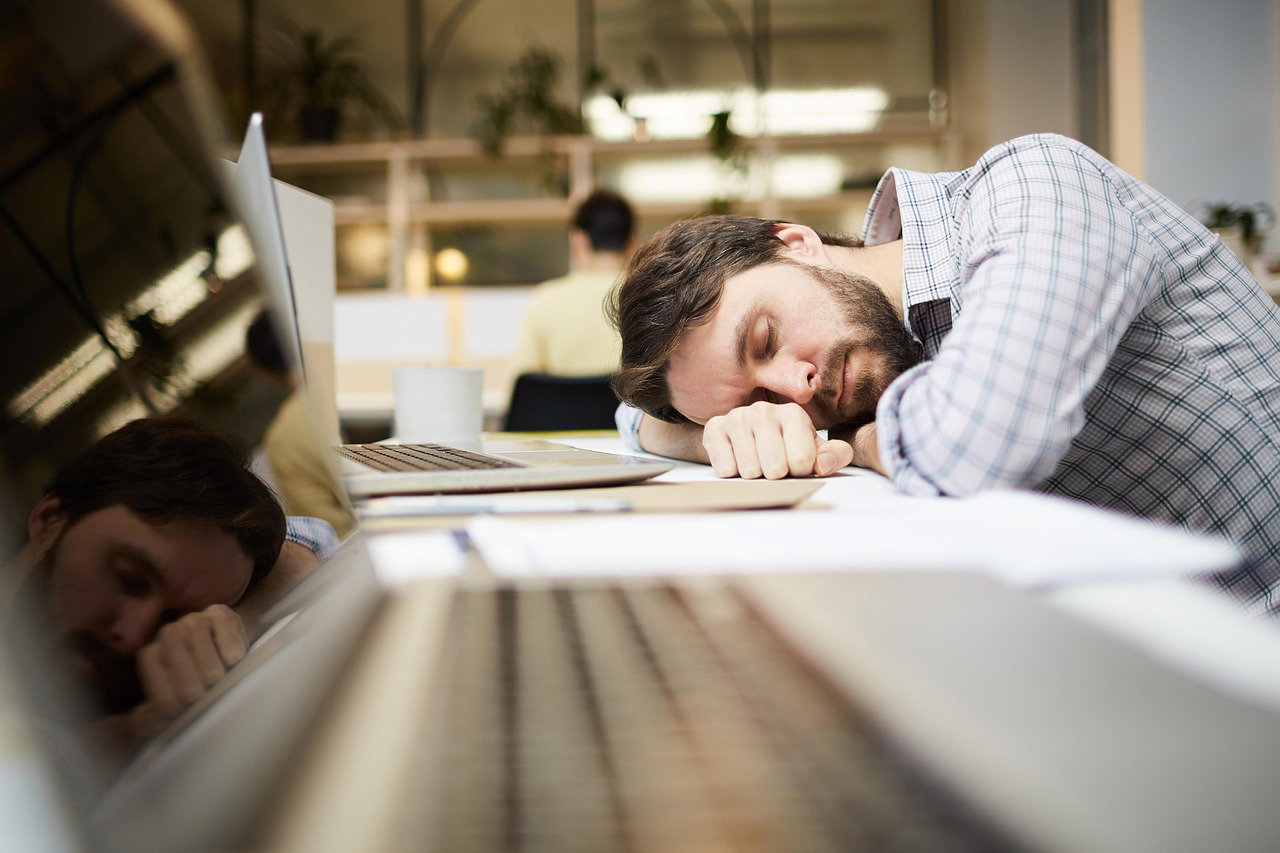
Most people assume that if they sleep 7–9 hours, they should automatically wake up feeling refreshed. But in reality, a lot of people still feel tired, sluggish, and unmotivated even after what seems like a full night of rest.If this sounds familiar, you’re definitely not alone.Persistent fatigue is becoming more common in modern life, and it can affect everything — your focus, mood, productivity, and even your emotional stability. The confusing part is that sleep often feels “enough” on paper, but the body still doesn’t feel recovered.The truth is simple: sleep duration is only one part of the equation. Sleep quality and daily lifestyle habits matter just as much.Let’s break down the real reasons why you might still feel exhausted even after sleeping well.
Understanding why you feel constantly tired can help you identify hidden lifestyle factors that may be affecting your energy levels even after a full night’s sleep.
Sleep quality matters more than sleep duration
A common misunderstanding is that more sleep automatically means better rest. But sleep is not just about hours — it’s about cycles.During the night, your body goes through different stages:
- Light sleep
- Deep sleep
- REM sleep
Deep sleep is especially important because this is when your body repairs muscles, strengthens the immune system, and restores energy levels.If your sleep is constantly interrupted or too light, you may technically sleep 8 hours but still wake up tired.
1. Poor sleep quality without realizing it
Even if you don’t remember waking up, your sleep can still be disrupted. Things like:
- Phone or screen use before bed
- Noise during the night
- Stress or overthinking
- Room temperature or discomfort
- Light sleep cycles
All of these can prevent your body from reaching deep, restorative sleep.The result is simple: you wake up feeling like you didn’t rest at all.
2. Chronic stress draining your energy
Stress is one of the biggest hidden causes of constant fatigue.When you’re stressed, your body stays in a “high alert” mode. Hormones like cortisol remain elevated, making it harder for your body to fully relax — even during sleep.Over time, this creates a feeling of being mentally and physically drained all the time, even after a full night in bed.Your body is resting, but your nervous system is not.
3. Dehydration affecting your energy levels
Water plays a much bigger role in energy than most people think.Even mild dehydration can cause:
- Fatigue
- Headaches
- Poor focus
- Slower metabolism
When your body doesn’t have enough fluids, your heart and muscles have to work harder, which leads to a drop in energy.Sometimes, feeling tired is as simple as not drinking enough water throughout the day.
4. Poor diet and unstable blood sugar
Food is your body’s fuel. If your diet is based on processed foods, sugar, and refined carbs, your energy levels will naturally rise and crash throughout the day.Sugary foods may give you a quick boost, but they often lead to an energy crash shortly after.On the other hand, a balanced diet with:
- Whole grains
- Lean proteins
- Healthy fats
- Fruits and vegetables
helps maintain steady energy levels.Deficiencies in iron, vitamin B12, and vitamin D are also strongly linked to chronic fatigue.
5. Lack of physical activity
It may sound strange, but not moving enough can actually make you feel more tired.Regular movement helps:
- Improve blood circulation
- Deliver oxygen to the body
- Support better sleep
- Increase natural energy production
When you stay inactive for long periods, your body becomes less efficient at generating energy.Even simple activities like walking daily can significantly improve how energetic you feel.
6. Too much caffeine can backfire
Caffeine can help you feel awake, but it’s not a long-term solution.The problem starts when caffeine becomes a daily dependency. Drinking too much coffee, especially later in the day, can interfere with your sleep quality — even if you fall asleep easily.This creates a cycle:
- You feel tired → drink coffee
- Coffee affects sleep → worse rest
- Worse rest → more fatigue
Breaking this cycle often leads to better natural energy within a few days or weeks.
7. Mental exhaustion is often ignored
Not all fatigue comes from the body — your mind can also get tired.Mental exhaustion comes from:
- Constant decision-making
- Work pressure
- Overthinking
- Social media overload
- Emotional stress
Even if you physically rest, your brain may still feel overloaded.That’s why taking mental breaks is just as important as sleeping.
8. Irregular sleep schedule
Your body runs on a natural internal clock called the circadian rhythm.When you go to bed and wake up at different times every day, this rhythm becomes disrupted. As a result, your sleep quality drops, and your energy levels become unstable.Even small changes in schedule between weekdays and weekends can affect how rested you feel.
9. Hidden health issues
Sometimes, constant tiredness is not just lifestyle-related.Medical conditions that can cause fatigue include:
- Sleep apnea
- Thyroid problems
- Anemia
- Depression
- Chronic fatigue syndrome
If you feel tired all the time despite improving your habits, it’s worth speaking to a healthcare professional.
How to improve your energy naturally
The good news is that most cases of low energy can be improved with simple changes:
Focus on better sleep quality
Create a calm bedtime routine and avoid screens before sleeping.
Stay hydrated
Drink water regularly throughout the day.
Eat balanced meals
Avoid sugar crashes and focus on whole foods.
Move your body daily
Even light exercise like walking helps.
Manage stress
Try breathing exercises, journaling, or spending time outdoors.
Keep a consistent sleep schedule
Go to bed and wake up at the same time every day.
Final thoughts
Feeling tired all the time is frustrating, especially when you think you’re sleeping enough. But in most cases, the issue is not just sleep — it’s lifestyle, stress, hydration, nutrition, and daily habits working together.The body doesn’t run on sleep alone. It runs on balance.When you start improving small things consistently, energy levels usually follow naturally. Better sleep, better habits, and better awareness can completely change how you feel during the day.True energy doesn’t come from sleeping longer — it comes from sleeping better and living smarter.
Sources
- National Sleep Foundation – https://www.sleepfoundation.org
- CDC Sleep Health – https://www.cdc.gov/sleep
- Harvard Health Publishing – https://www.health.harvard.edu
- Mayo Clinic – https://www.mayoclinic.org
- Cleveland Clinic – https://health.clevelandclinic.org