Why Sitting Too Long Is Harmful to Your Health
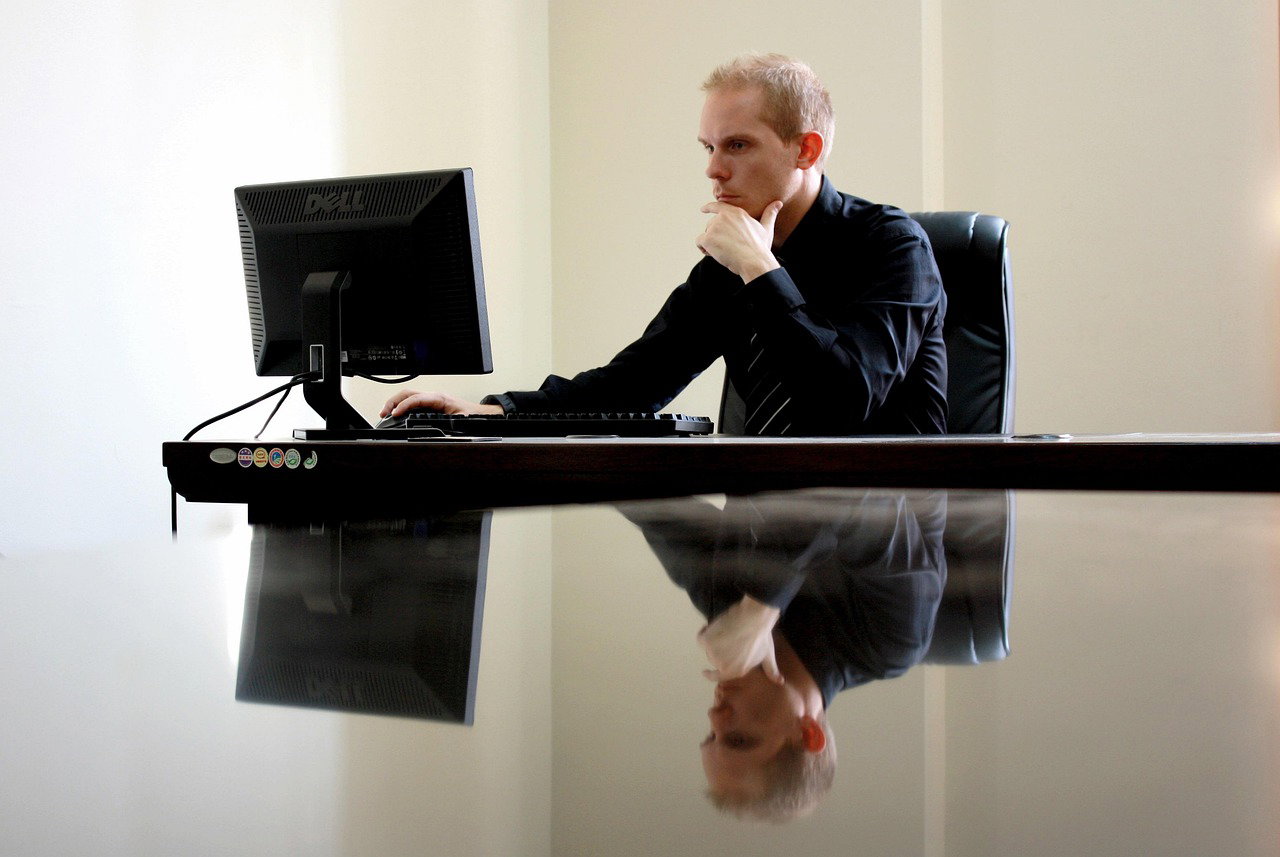
In today’s modern lifestyle, sitting for long periods has become something completely normal. Most people spend hours seated while working on a computer, driving, studying, or relaxing in front of a screen. At first glance, it may not seem like a problem. After all, sitting feels comfortable and natural.However, research over the past decade has shown that prolonged sitting can have serious effects on both physical and mental health. In fact, some health experts even compare excessive sitting with smoking in terms of long-term risk factors, which highlights how important this issue has become.The encouraging part is that small daily changes can make a big difference. Understanding how sitting affects your body is the first step toward improving your overall health.
The Rise of a Sedentary Lifestyle
Modern life is designed around convenience. Many jobs no longer require physical movement, and most entertainment is screen-based. As a result, people are moving less than ever before.This type of lifestyle is called a sedentary lifestyle, meaning a pattern of very low physical activity. Even people who go to the gym a few times per week can still be considered sedentary if they spend the rest of the day sitting.The human body is built for movement. When we stay inactive for long periods, many natural processes slow down, which can affect health in several ways.
1. Sitting Too Long Can Lead to Weight Gain
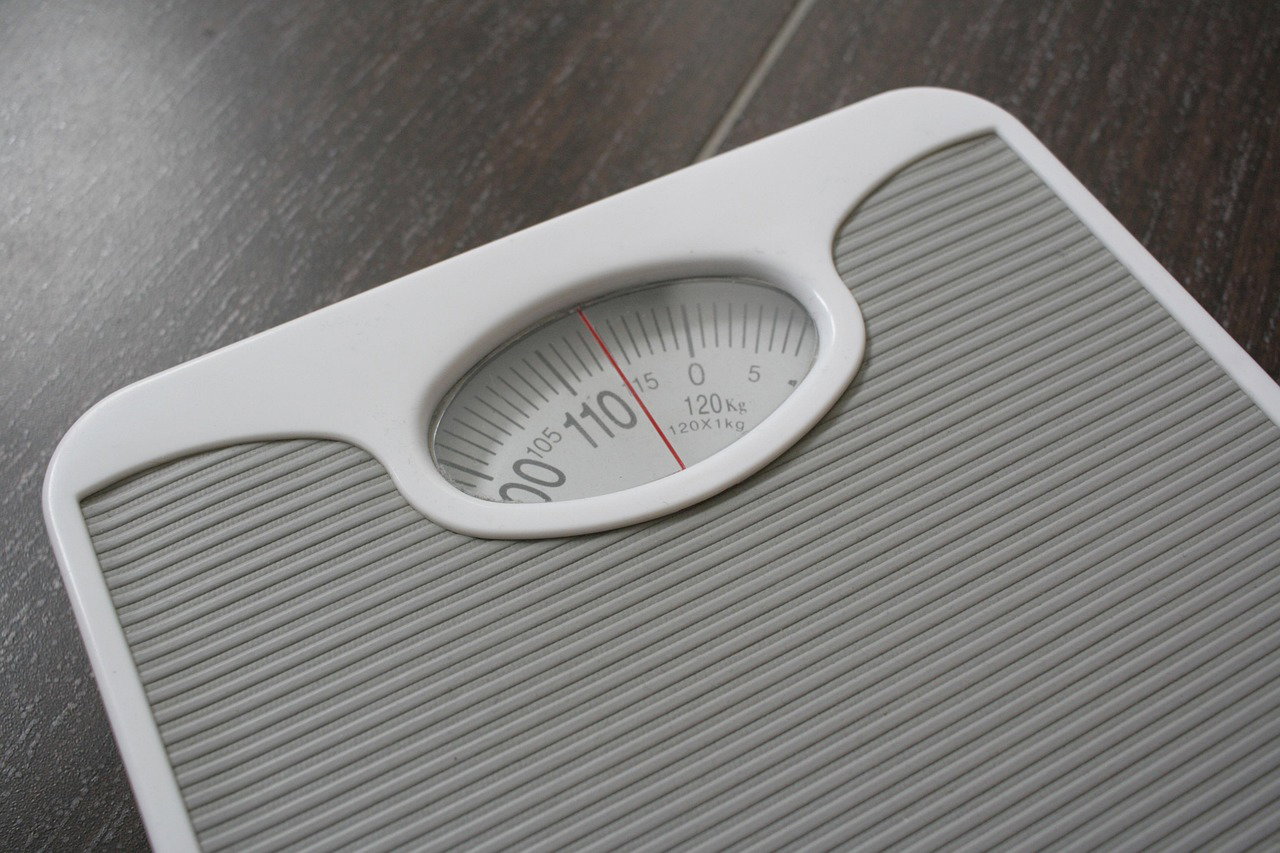
One of the most common effects of prolonged sitting is gradual weight gain. When you sit for hours, your body burns fewer calories compared to when you are standing or moving.If your calorie intake stays the same while your activity level decreases, the body stores the extra energy as fat. Over time, this can lead to weight gain and even obesity.Another issue is that sitting often encourages mindless snacking, especially during screen time or long work sessions, which can further increase calorie intake.
2. Poor Blood Circulation
Movement plays an important role in keeping blood flowing properly throughout the body. When you sit for too long, especially without breaks, circulation slows down.This is often felt in the legs and feet and may cause swelling, discomfort, or tingling sensations. In more serious cases, prolonged inactivity may increase the risk of blood clots.Standing up regularly and walking for a few minutes helps stimulate circulation and keeps the cardiovascular system active.
3. Increased Risk of Heart Problems
Several studies have found a connection between long periods of sitting and increased risk of heart disease.When you are inactive for too long, blood pressure regulation, cholesterol balance, and sugar metabolism may be negatively affected. Over time, this can place extra strain on the heart.Regular movement helps maintain healthy circulation and supports overall heart function.
4. Impact on Blood Sugar Control
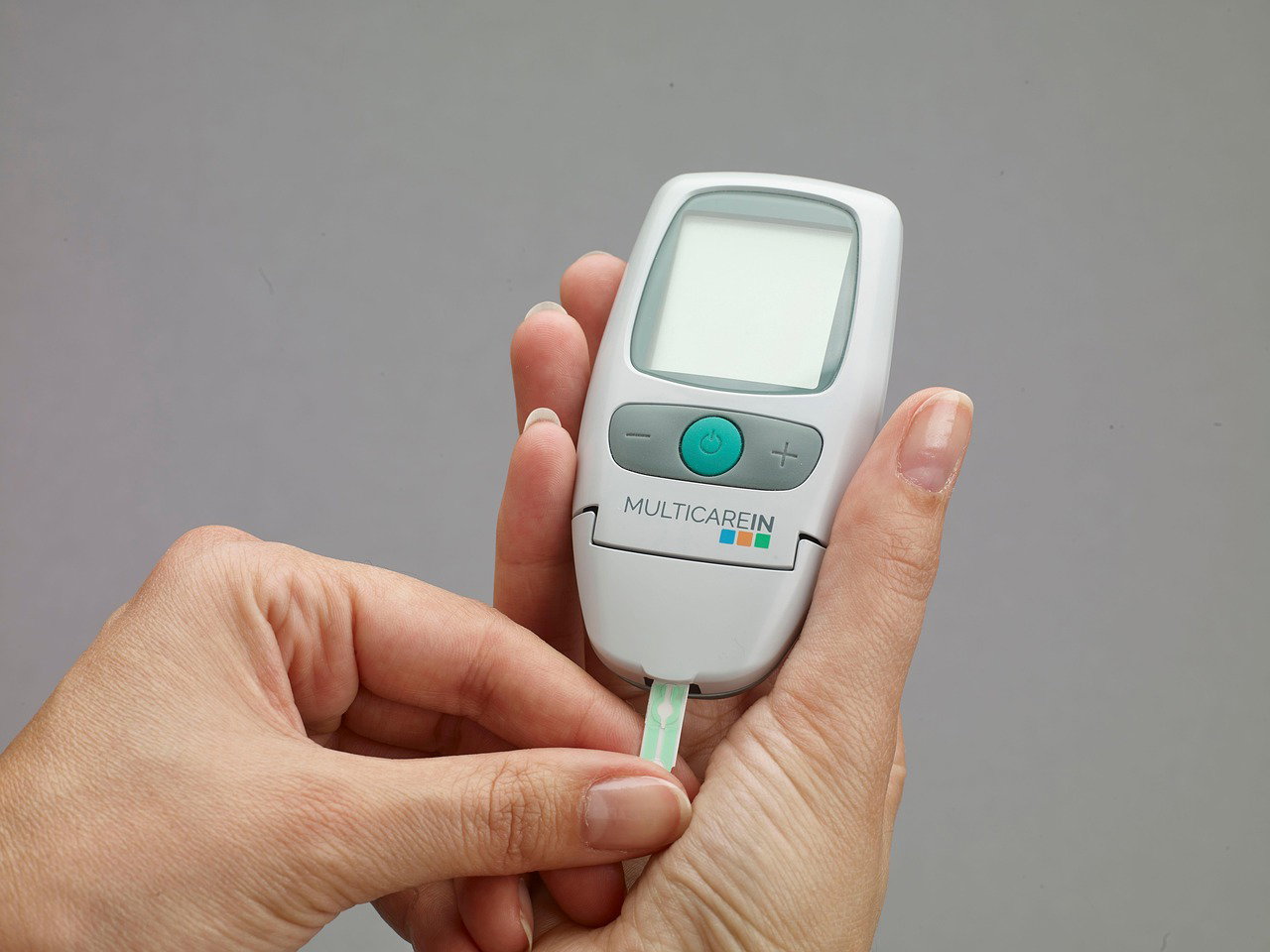
Your muscles play a major role in using glucose (sugar) for energy. When you sit for long periods, muscle activity decreases, which makes it harder for the body to regulate blood sugar efficiently.This can lead to higher blood sugar levels over time and increase the risk of insulin resistance and type 2 diabetes.Even small movement breaks during the day can help improve how your body processes sugar.
5. Back, Neck, and Posture Problems
One of the most immediate effects of long sitting hours is discomfort in the back, neck, and shoulders.Common issues include:
- Lower back pain
- Neck stiffness
- Shoulder tension
- Tight hips
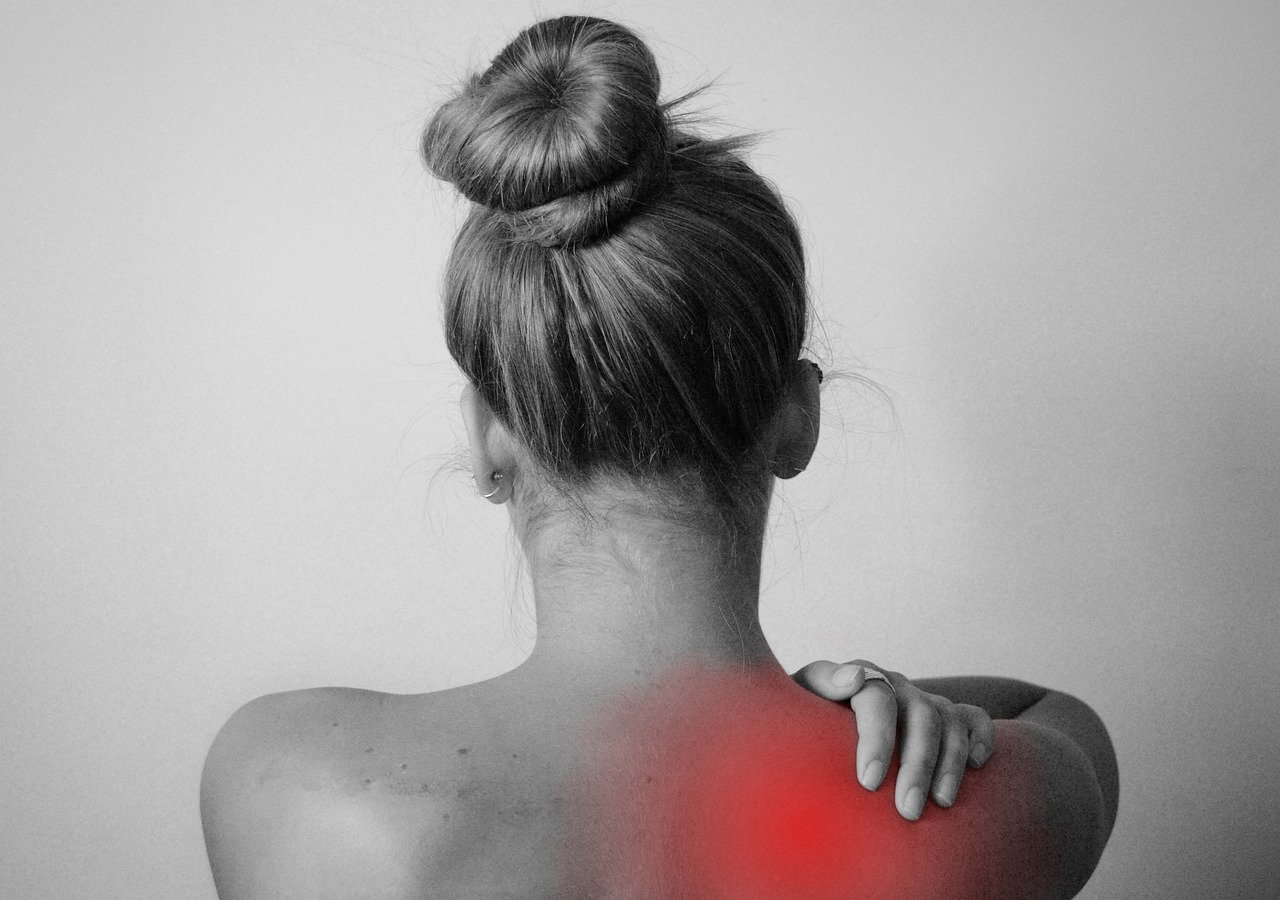
Poor posture and poorly designed workspaces can make these problems worse. Over time, long sitting hours can weaken important muscles that support the spine.Regular stretching and posture awareness can significantly reduce these issues.
6. Weak Muscles and Reduced FlexibilityMuscles need regular activity to stay strong and flexible. When you sit too much, certain muscle groups—especially in the legs, hips, and core—become weaker.This can affect balance, mobility, and overall physical strength. It may also increase the risk of injury during everyday activities.Simple movement, like walking or stretching, helps maintain muscle strength and joint health.
7. Lower Energy Levels
Although sitting feels restful, too much of it can actually make you feel more tired.When you remain inactive for long periods, blood circulation slows down and oxygen delivery becomes less efficient. This can lead to sluggishness and low energy.Interestingly, one of the fastest ways to increase energy is not more rest—but more movement.
8. Effects on Mental Health
Physical inactivity does not only affect the body; it also impacts the mind.People who spend long hours sitting may experience higher levels of stress, lower motivation, and mood fluctuations. Movement helps stimulate the release of endorphins and serotonin—chemicals that naturally improve mood and reduce stress.Even a short walk can help clear the mind and improve emotional balance.
9. Long-Term Health Risks
Research suggests that excessive sitting may increase the risk of several chronic health conditions, including:
- Heart disease
- Type 2 diabetes
- Obesity
- High blood pressure
While sitting itself is not the direct cause, prolonged inactivity is considered an important risk factor for these conditions.
How to Reduce the Effects of SittingThe good news is that you do not need extreme workouts to protect your health. Simple habits can make a big difference.Try to:
- Stand up every 30–60 minutes
- Take short walking breaks
- Stretch during the day
- Use stairs instead of elevators
- Walk while talking on the phone
Even a few minutes of movement can help reverse the negative effects of sitting.
Simple Daily Habits That Help
If you work at a desk or spend long hours seated, small changes can significantly improve your health:
- Set reminders to move regularly
- Walk during breaks or lunch
- Stretch between tasks
- Reduce unnecessary screen time
- Take short walks after meals
Consistency matters more than intensity.
Final Thoughts
Sitting is not something we can avoid completely, especially in modern life. However, sitting for too long without movement can slowly affect almost every part of the body—from circulation and metabolism to posture and mental well-being.The solution is not complicated. Your body simply needs more movement throughout the day.By adding small habits like standing breaks, walking, and stretching, you can significantly reduce the negative effects of a sedentary lifestyle. Over time, these small actions can lead to better energy levels, improved mood, and stronger overall health.Even minimal movement is better than none—and your body will thank you for it in the long run.
___________________________________________________________________
Sources
- World Health Organization (WHO) – Physical Activity and Sedentary Behaviour: https://www.who.int/news-room/fact-sheets/detail/physical-activity
- Centers for Disease Control and Prevention (CDC) – Sitting and Health Risks: https://www.cdc.gov/physical-activity-basics/benefits/index.html
- Mayo Clinic – Sitting Risks and Health: https://www.mayoclinic.org/healthy-lifestyle/adult-health/in-depth/sitting/art-20045970
- Harvard Health Publishing – The dangers of sitting too much: https://www.health.harvard.edu/staying-healthy/the-dangers-of-sitting