7 Signs Your Body Needs More Sleep
Sleep is one of those things we often don’t think about until it starts going wrong. In today’s world, it’s normal to stay up late scrolling on your phone, working, watching shows, or just trying to squeeze more hours out of the day. Unfortunately, the body doesn’t really work like that. At some point, it starts sending signals that it’s not getting enough rest.The tricky part is that these signs don’t always look serious at first. Most people brush them off as stress, a busy schedule, or “just being tired.” But over time, poor sleep builds up and starts affecting almost every part of your life — from your energy levels to your mood, focus, and even your immune system.Sleep isn’t just about rest. It’s a recovery process for your brain and body. When you miss out on it, everything runs a little worse than it should.Below are 7 common signs your body might be telling you that it needs more sleep.
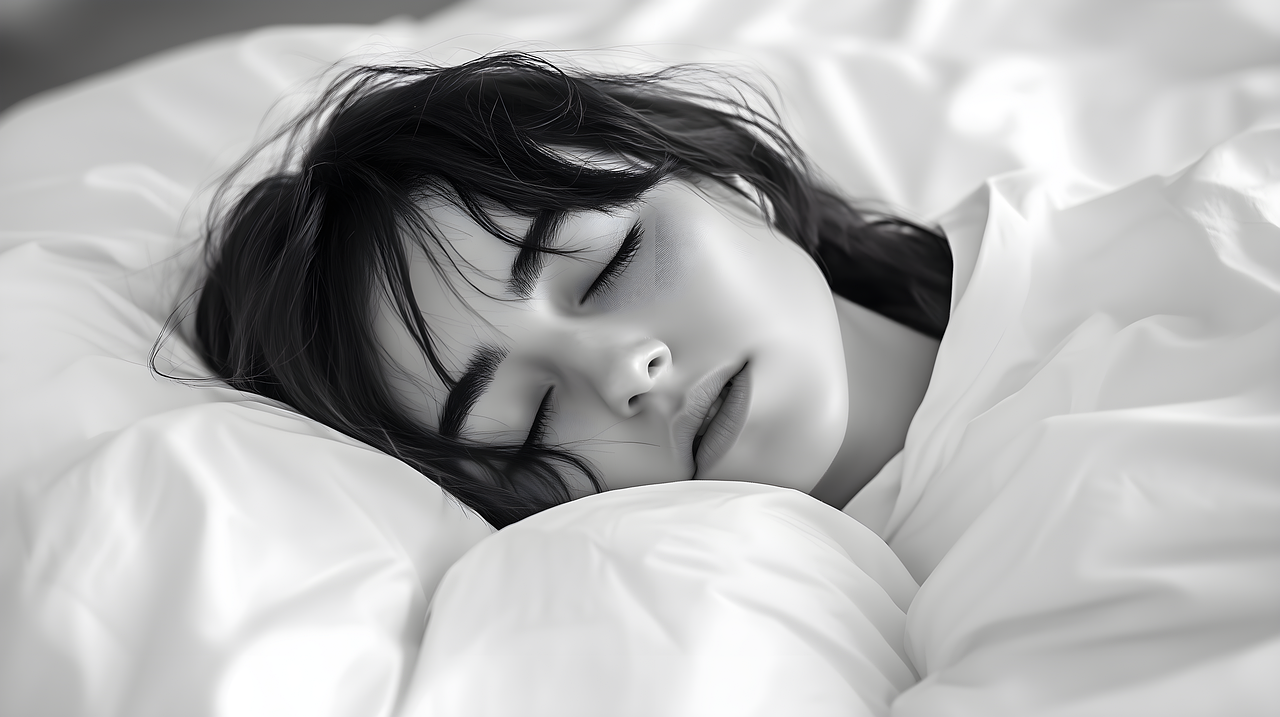
The signs your body needs more sleep often appear gradually and can affect energy, mood, and focus.
1. You feel tired no matter how much you sleep
One of the clearest signs of poor sleep is constant fatigue. You might sleep for 7–8 hours but still wake up feeling drained, like you didn’t rest at all.This isn’t normal tiredness after a long day. It’s more like your energy never fully comes back. Even coffee or energy drinks don’t fix it — they only mask the problem for a short time.When this becomes your daily routine, your body is basically operating in survival mode. Over time, this can affect your productivity, motivation, and even your physical performance.
2. Your focus and memory start slipping
Sleep plays a major role in how your brain processes and stores information. Without enough of it, your thinking becomes slower and less clear.You may notice things like:
- forgetting simple tasks
- losing focus easily
- needing more time to understand things
- feeling mentally “foggy”
This is often called brain fog, and it’s one of the most common effects of sleep deprivation. Even basic decisions can start feeling more difficult than usual.
3. Your mood becomes unstable
If you’ve been more irritable, impatient, or emotionally sensitive lately, your sleep might be the reason.Lack of sleep directly affects the part of the brain that controls emotions. That’s why small problems can feel much bigger than they really are when you’re tired.Over time, poor sleep is linked to higher stress levels, anxiety, and even symptoms of low mood. It becomes harder to stay calm and balanced in everyday situations.
4. You start craving sugar and junk food
Another surprising sign of poor sleep is changes in appetite. When you don’t get enough rest, your body often tries to compensate by craving quick energy sources — usually sugary or high-calorie foods.At the same time, sleep affects hormones that control hunger, which can make you feel hungrier than normal even when you don’t need more food.This combination can easily lead to overeating and weight gain, especially if it becomes a long-term pattern.
5. You get sick more often than usual
If you notice that you’re catching colds or infections more frequently, your sleep might be weakening your immune system.During deep sleep, your body produces important immune cells and proteins that help fight off viruses and bacteria. When sleep is consistently cut short, your immune defense becomes weaker.This means your body has a harder time protecting itself, and recovery from illness takes longer.
6. You depend heavily on caffeine to get through the day
Coffee is not the problem — relying on it to function is.If you feel like you need multiple cups of coffee or energy drinks just to stay awake or focused, it’s usually a sign that your sleep quality is not good enough.The problem is that caffeine only hides fatigue temporarily. It doesn’t fix the lack of rest. In some cases, too much caffeine can also make sleep worse at night, creating a cycle of tiredness and dependency.
7. You struggle to wake up in the morning
Waking up should feel relatively natural after a good night’s sleep. If you constantly hit snooze, feel groggy for a long time, or struggle to get out of bed, something is off.This can happen when you don’t reach deep sleep stages or when your sleep schedule is irregular.Even if you technically spend enough hours in bed, poor-quality sleep will still leave you feeling exhausted in the morning.
Why sleep is so important
Sleep is not just downtime. It’s one of the most important biological processes in the human body.It affects:
- brain function and memory
- hormone balance
- immune system strength
- metabolism and weight control
- emotional stability
When sleep is consistently poor, the effects build up slowly and can increase the risk of long-term health problems like heart disease, diabetes, and chronic stress.
How to improve your sleep naturally
The good news is that sleep quality can improve a lot with small lifestyle changes. You don’t need extreme routines — just consistency.Some simple steps include:
- going to bed and waking up at the same time every day
- avoiding screens 30–60 minutes before bed
- reducing caffeine in the afternoon and evening
- keeping your bedroom dark, quiet, and cool
- practicing relaxation before sleep (breathing, stretching, reading)
Even small improvements can make a big difference over time.
Final thoughts
Your body always gives signals when something is off — sleep is no exception. Feeling tired all the time, struggling to focus, mood changes, and constant cravings are not random issues. They are signs that your body needs rest.The more you ignore these signals, the more they start affecting your daily life. But when you start prioritizing sleep, things usually improve faster than you expect.Better sleep doesn’t just mean more energy. It also means better mood, clearer thinking, stronger immunity, and a more balanced life overall.
Sources
- National Sleep Foundation – https://www.sleepfoundation.org
- CDC Sleep and Sleep Disorders – https://www.cdc.gov/sleep
- Harvard Medical School – Sleep Health – https://healthysleep.med.harvard.edu
- Mayo Clinic – Sleep Basics – https://www.mayoclinic.org