7 Benefits of Eating Kiwi Every Day
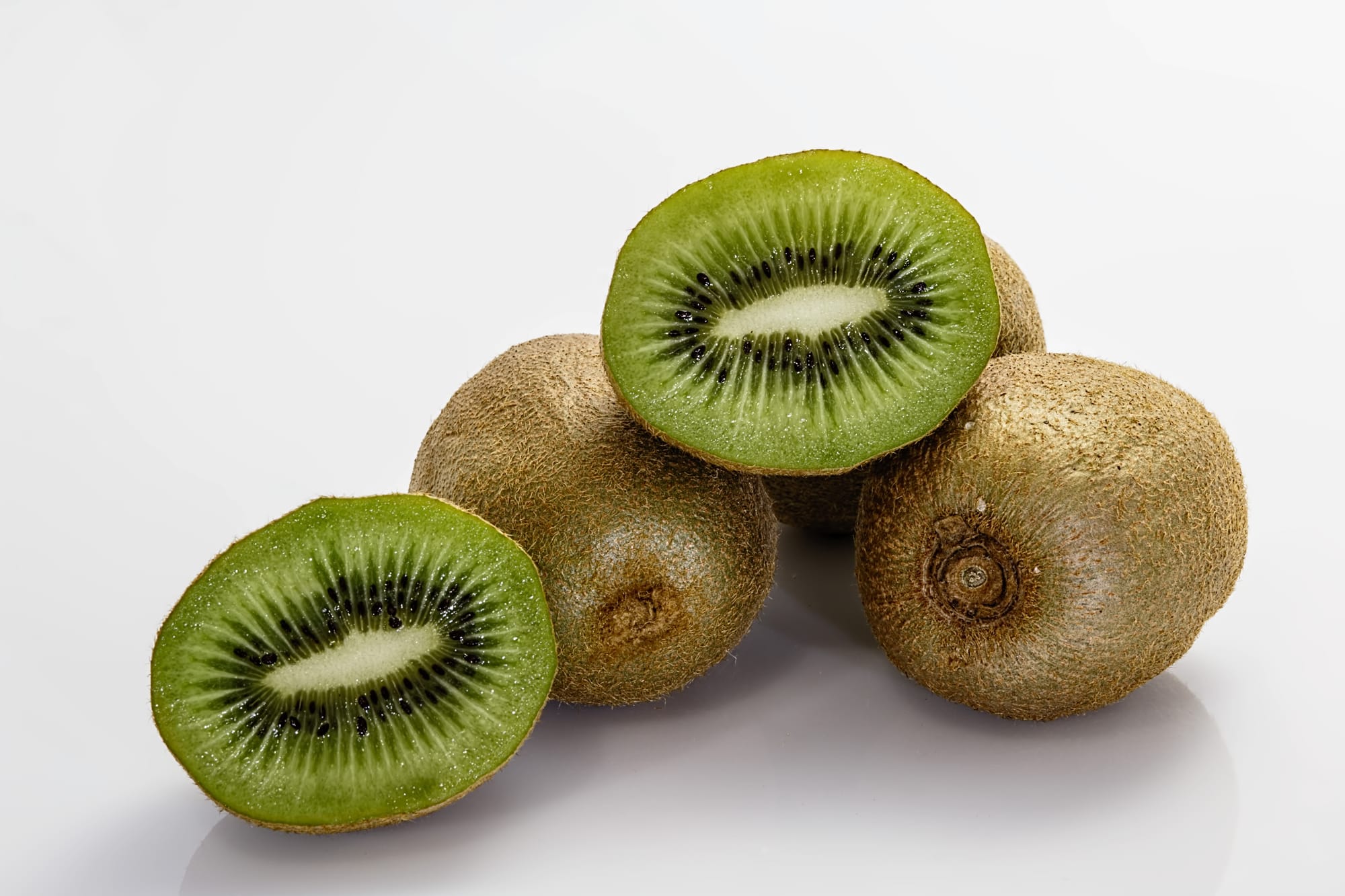
Kiwi is a small fruit that often gets overlooked, but it is actually one of the most nutrient-dense fruits you can include in your diet. With its bright green flesh, tiny black seeds, and refreshing sweet-tangy taste, kiwi is both delicious and incredibly beneficial for your health.Even though it is small in size, kiwi is packed with vitamins, minerals, fiber, and antioxidants that support many important functions in the body. Eating it regularly is one of the simplest ways to improve your daily nutrition without making big changes to your diet.Whether you enjoy it on its own, mix it into smoothies, or add it to fruit bowls, kiwi can easily become part of your everyday routine. Let’s explore why this fruit is so powerful.
Kiwi benefits are the main reason why this fruit is considered one of the healthiest fruits in the world. The kiwi benefits include improved digestion, stronger immunity, better skin health, and overall wellness.
1. A Natural Source of Vitamin C
One of the most impressive qualities of kiwi is its high vitamin C content. In fact, kiwi contains more vitamin C per gram than many commonly eaten fruits.Vitamin C plays a key role in supporting the immune system, helping the body defend itself against infections and illnesses. It also helps with collagen production, which is important for skin, joints, and tissue repair.Getting enough vitamin C daily may help reduce tiredness, support faster healing, and improve overall vitality. Eating just one or two kiwis a day can significantly contribute to your daily vitamin C needs.
2. Supports Healthy Digestion
Kiwi is rich in dietary fiber, which is essential for a healthy digestive system. Fiber helps food move more smoothly through the intestines and supports regular bowel movements.What makes kiwi even more interesting is that it contains a natural enzyme called actinidin. This enzyme helps break down proteins in food, making digestion easier, especially after heavy meals.Because of this combination of fiber and enzymes, kiwi is often considered a gentle and effective fruit for improving gut health. Over time, regular consumption may help reduce bloating and support overall digestive comfort.

3. Promotes Heart Health
Heart health is one of the most important aspects of long-term well-being, and diet plays a major role in it.Kiwi contains potassium, a mineral that helps regulate blood pressure by balancing sodium levels in the body. Maintaining healthy blood pressure is essential for reducing strain on the heart.In addition, kiwi is rich in antioxidants that help protect cells from oxidative stress. Some studies suggest that diets rich in antioxidant-containing fruits may support better circulation and cardiovascular function.Including kiwi as part of a balanced diet may therefore contribute to long-term heart health.
4. Helps Improve Skin Health
Healthy skin is often a reflection of good nutrition, and kiwi provides several nutrients that support skin health.Vitamin C plays a major role in collagen production, which helps maintain skin elasticity and firmness. This can contribute to a smoother and healthier appearance over time.The antioxidants in kiwi also help protect the skin from environmental stressors such as pollution and UV exposure. While no single food can transform your skin overnight, a nutrient-rich diet that includes kiwi can support a healthier complexion from within.
5. Supports Eye Health
Kiwi contains important antioxidants such as lutein and zeaxanthin, which are naturally present in the eyes.These compounds help protect the eyes from harmful blue light and may support long-term vision health. They are especially important as people age and eye health becomes more sensitive.Eating foods rich in these nutrients can be a simple way to support eye function as part of a balanced diet.
6. May Support Better Sleep
Although more research is still needed, some studies suggest that kiwi may help improve sleep quality.Kiwi contains serotonin and antioxidants, which are both linked to sleep regulation. Some people report falling asleep faster and experiencing deeper rest when they eat kiwi before bed.While kiwi is not a cure for sleep problems, it may be a helpful natural addition to a healthy nighttime routine—especially when combined with good sleep habits like reducing screen time and maintaining a consistent sleep schedule.
7. Supports Healthy Weight Management
Kiwi is naturally low in calories but rich in fiber and nutrients, making it a great snack for those trying to maintain or manage their weight.Fiber helps increase feelings of fullness, which may reduce unnecessary snacking between meals. At the same time, kiwi provides natural sweetness, making it a healthier alternative to processed sugary snacks.When combined with regular physical activity and a balanced diet, kiwi can be part of a sustainable approach to healthy weight management.
Nutritional Value of Kiwi
Kiwi contains a wide range of essential nutrients, including:
- Vitamin C
- Vitamin K
- Vitamin E
- Potassium
- Folate
- Fiber
- Antioxidants
These nutrients work together to support immunity, digestion, heart health, skin health, and overall wellness.
How Many Kiwis Should You Eat?
For most healthy adults, eating 1 to 2 kiwis per day is considered a healthy and safe amount as part of a balanced diet.This provides a good boost of vitamins and fiber without excessive calories. However, as with all foods, variety is important, and kiwi should be part of a diverse diet that includes many different fruits and vegetables.People with allergies or medical conditions should consult a healthcare professional if they are unsure about including kiwi in their diet.
Final Thoughts
Kiwi is a simple but powerful fruit that offers a wide range of health benefits. From supporting the immune system and improving digestion to promoting heart health, better skin, and even sleep quality, it is truly a nutrient-packed food.Adding kiwi to your daily routine is an easy and enjoyable way to improve your nutrition without making drastic lifestyle changes. Even small habits like this can contribute to better long-term health and well-being.If you are looking for a natural, refreshing, and nutrient-rich fruit, kiwi is definitely worth including in your diet.
Sources
World Health Organization (WHO) – Healthy Diet: https://www.who.int/news-room/fact-sheets/detail/healthy-diet
- Harvard T.H. Chan School of Public Health – Vitamins and Minerals: https://www.hsph.harvard.edu/nutritionsource/vitamins/
- Medical News Today – Kiwi Health Benefits: https://www.medicalnewstoday.com/articles/319884
- NIH (National Institutes of Health) – Vitamin C Information: https://ods.od.nih.gov/factsheets/VitaminC-Consumer/
- Healthline – Kiwi Nutrition and Benefits: https://www.healthline.com/nutrition/kiwi-benefits