10 Small Lifestyle Changes That Can Make a Big Difference in Your Health
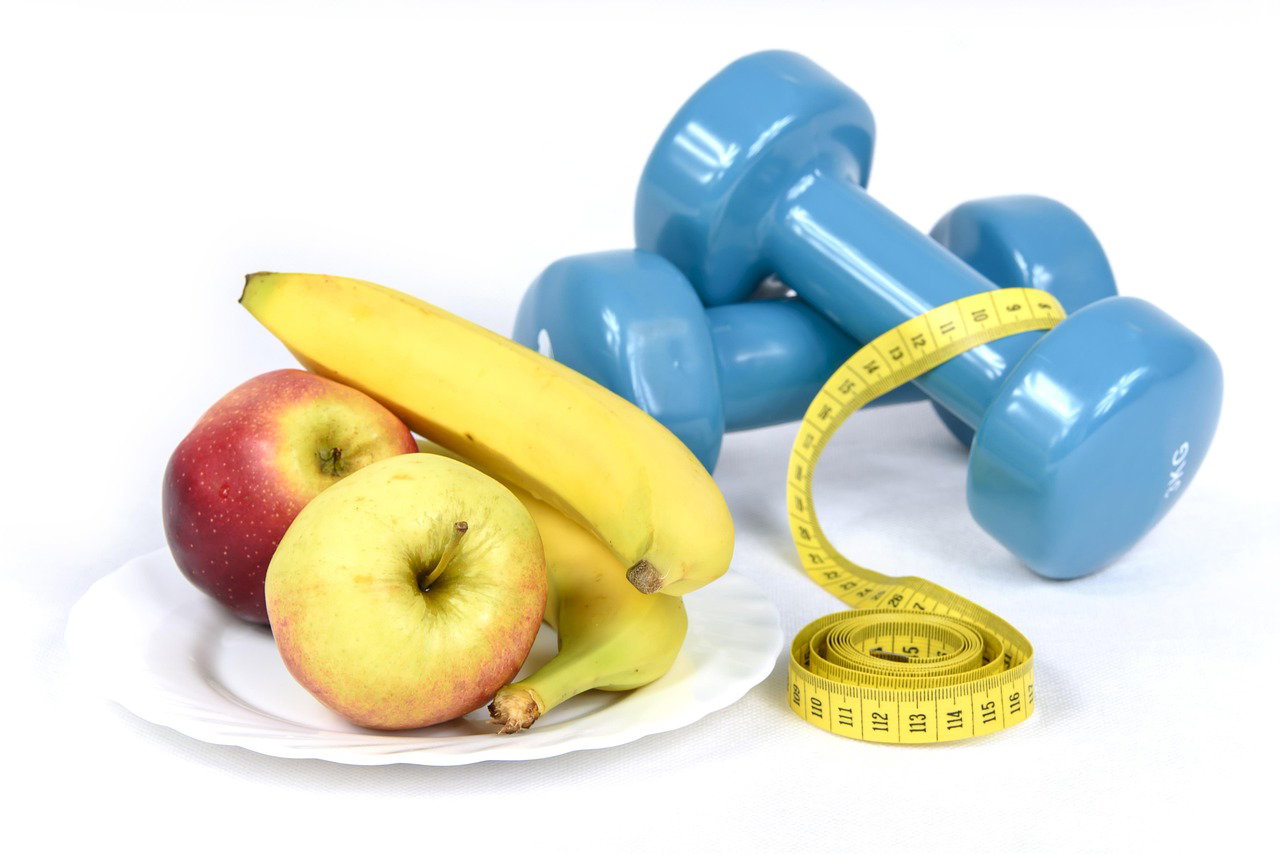
When people think about improving their health, they usually imagine big lifestyle overhauls. Strict diets, intense workout programs, or completely changing daily routines often come to mind. These small lifestyle changes are simple to follow and can have a significant impact on your overall health and well-being over time. While those approaches can work, they are not always realistic or sustainable for most people.In reality, lasting health improvements often come from small, consistent habits that are easy to maintain. These small changes may seem simple on their own, but when practiced daily, they can significantly improve your energy, mood, digestion, and overall well-being.The key is not perfection—it is consistency. Over time, these small actions build up and create noticeable long-term results.Here are 10 simple lifestyle changes that can help you improve your health without feeling overwhelmed.
1. Start Your Day with a Glass of Water
After several hours of sleep, your body naturally wakes up slightly dehydrated. Drinking a glass of water first thing in the morning is a simple habit that helps rehydrate your system and prepare your body for the day.This small step can support digestion, improve mental clarity, and gently activate your metabolism. Many people also find that it helps them feel more awake in the morning without immediately reaching for caffeine.A good tip is to keep a glass or bottle of water near your bed so it becomes part of your morning routine without effort.
2. Make Walking a Daily Habit
You do not need complicated workouts or a gym membership to stay active. Walking is one of the most natural and effective forms of movement.Even 15 to 30 minutes of walking per day can support heart health, improve circulation, and boost mood. It is also a great way to clear your mind and reduce stress after a long day.Walking after meals can be especially helpful for digestion and maintaining stable energy levels throughout the day.
3. Reduce Added Sugar Gradually
Excess sugar is one of the most common contributors to low energy, weight gain, and long-term health issues. While it is not necessary to eliminate sugar completely, reducing processed sugar can make a noticeable difference.A simple way to start is by replacing sugary drinks with water or herbal tea. Over time, try reducing sweets and packaged snacks.As your body adjusts, you may notice fewer energy crashes and more stable cravings throughout the day.
4. Improve Your Sleep Routine
Good sleep is one of the most important foundations of health, yet it is often overlooked.Going to bed and waking up at consistent times helps regulate your body’s internal clock. Avoiding screens before bed and creating a calm environment can also improve sleep quality.Better sleep leads to better focus, improved mood, stronger immunity, and higher energy levels during the day.Even small improvements in sleep habits can have a big impact on how you feel.
5. Choose More Whole Foods
Whole foods such as fruits, vegetables, nuts, seeds, legumes, and whole grains provide your body with essential nutrients.Instead of focusing on strict diets, try making simple swaps. Add more vegetables to your meals, choose fresh snacks instead of processed ones, and aim for balanced meals when possible.The more natural your food choices are, the better your digestion, energy levels, and overall health tend to be.
6. Take a Few Minutes to Breathe and Relax
Modern life is often stressful, and many people carry tension throughout the day without realizing it.Simple breathing exercises can help calm the nervous system and reduce stress levels. Just a few minutes of slow, deep breathing can help you feel more grounded and focused.You can do this in the morning, during work breaks, or before going to bed. Over time, it can improve your emotional balance and mental clarity.
7. Be Mindful of Screen Time
Most people spend a large portion of their day in front of screens. While technology is essential, too much screen time can lead to eye strain, poor posture, and mental fatigue.Taking regular breaks is important. A simple habit like the 20-20-20 rule (looking 20 feet away for 20 seconds every 20 minutes) can help reduce eye strain.Limiting screen use before bed can also improve sleep quality significantly.
8. Stay Hydrated Throughout the Day
Hydration plays a key role in energy levels, digestion, and brain function.Many people feel tired or unfocused simply because they are not drinking enough water. Carrying a water bottle and sipping regularly throughout the day can help prevent this.You can also increase hydration by eating water-rich foods such as fruits and vegetables.
9. Slow Down When You Eat
In today’s fast-paced lifestyle, many people eat quickly without paying attention to their meals. This can lead to overeating and poor digestion.Taking time to eat slowly allows your body to recognize when it is full, which supports healthier portion control. It also improves digestion and helps you enjoy your food more.Turning off distractions like phones or television during meals can make a noticeable difference.
10. Focus on Consistency, Not Perfection
One of the most important lessons in health is that consistency matters more than intensity.You do not need to follow every habit perfectly every single day. What matters most is returning to healthy routines even after small setbacks.Progress comes from repeated actions over time, not from occasional extreme efforts.
Final Thoughts
Improving your health does not require dramatic lifestyle changes. In fact, small and realistic habits are often the most effective in the long run.By drinking more water, walking daily, reducing sugar, improving sleep, and making small adjustments to your routine, you can gradually build a healthier and more balanced lifestyle.The most important step is to start small. Even one change today can lead to meaningful improvements over time.With consistency and patience, these small habits can transform the way you feel—physically, mentally, and emotionally.
___________________________________________________________________
Sources
- World Health Organization (WHO) – Healthy Diet: https://www.who.int/news-room/fact-sheets/detail/healthy-diet
- Centers for Disease Control and Prevention (CDC) – Physical Activity Benefits: https://www.cdc.gov/physical-activity-basics/benefits/index.html
- Harvard Health Publishing – Healthy Sleep: https://www.health.harvard.edu/topics/sleep
- Mayo Clinic – Hydration and Health: https://www.mayoclinic.org/healthy-lifestyle/nutrition-and-healthy-eating/in-depth/water/art-20044256
- National Health Service (NHS) – Healthy Lifestyle Guidance: https://www.nhs.uk/live-well/